AI automation for small business

AI automation for small business teams

A small team cannot carry endless admin. We automate one repeated process at a time, using the software you already pay for where it makes sense.

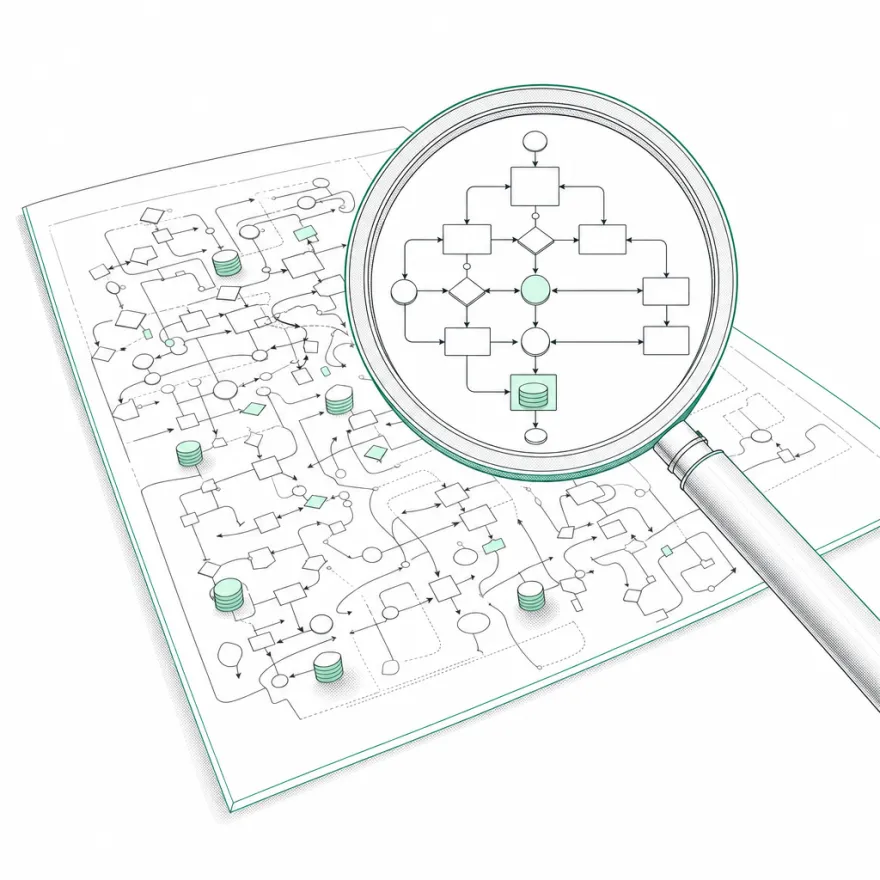
Workflow map

A small-team lead workflow

  1. 01
    New enquiry

    A website form or inbox message creates a lead.

  2. 02
    Lead is enriched

    The business, request, and urgency are classified.

    Automated
  3. 03
    Follow-up is prepared

    A reply and next task are created from approved rules.

    Automated
  4. 04
    Owner handles the call

    The person starts with context instead of admin.

What we build

Start with five hours, not fifty ideas

Small businesses usually have plenty of automation ideas and little time to assess them. We begin with a simple list: the task, how often it runs, who does it, and the minutes each run takes. A task that costs five staff hours every week gives us a practical target.

The first build should be narrow enough to understand. A new enquiry can be captured, checked, added to the CRM, assigned, and followed up. A weekly report can collect data from three tools, calculate known measures, and arrive in one document for review.

AI is useful when the input is messy, such as an email or document. Rules are better for dates, totals, permissions, and required fields. We combine both methods so the workflow stays predictable and the monthly software cost stays proportionate.
Useful outcomes

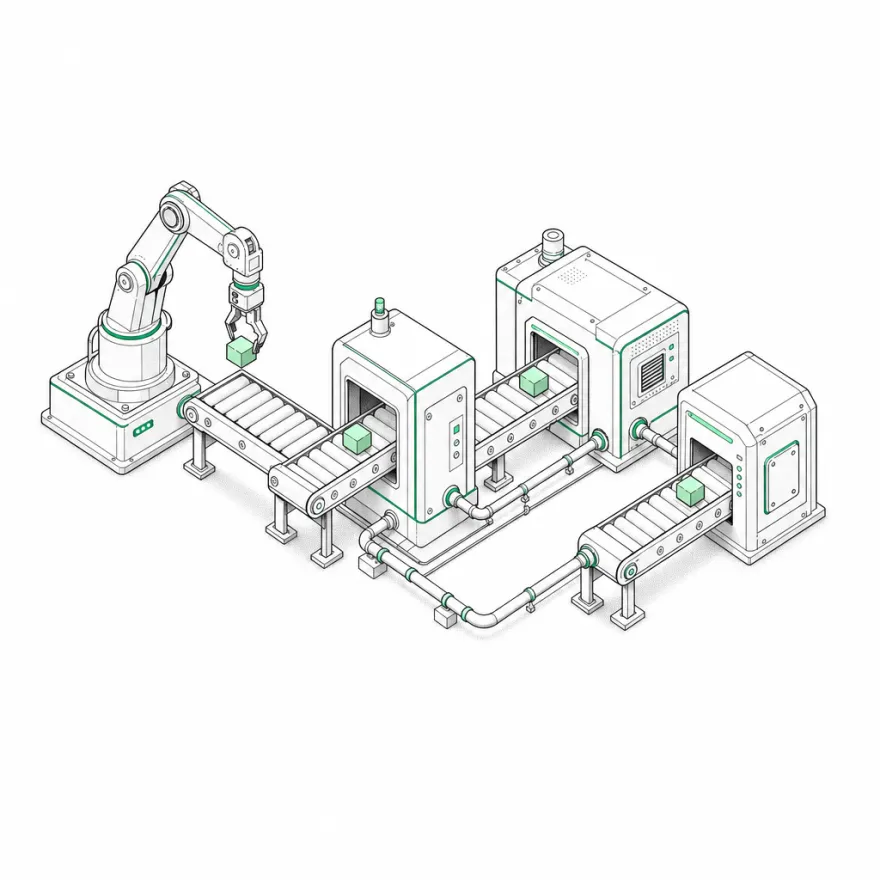
Small workflows remove a large share of admin

Hours returned each week

Remove repeated entry, reminders, file setup, status messages, and report assembly from a small team calendar.

Faster lead handling

Capture and route enquiries as they arrive, then prepare the next action with the relevant customer details.

A system the team can own

Keep the build narrow, document its rules, and avoid a stack that needs a full-time engineer to understand.

Delivery

A short path from process map to working system

01

Find the weekly time leak

We list repeated tasks, estimate volume and minutes, then choose one process with a useful payback. The scope stays tied to an operating number.

02

Build inside the current stack

Where possible, we use the CRM, inbox, accounting platform, and project tool already in place. Fewer new tools means less training and maintenance.

03

Hand over a clear system

We test with real examples, add alerts, and show the team how to pause or review the flow. Documentation names every trigger, rule, and owner.

Good fit

You need repeated work and one accountable owner

The company does not need a technology roadmap. It needs a process that happens often, a person who can explain it, and enough examples to test the result. We can turn that into a small implementation plan with a baseline and a fixed boundary.

We will also point out when automation is the wrong spend. If the process runs twice a year, has no consistent input, or changes with every customer, a checklist or template may solve it faster. The goal is useful capacity, not a larger software stack.

Engraved emerald-ink artwork of towering cumulus clouds over a rural horizon with power pylons
Plate 02  Fair weather Built for it

FAQ

Questions we get asked

How can a small business use AI automation?

A small business can automate lead routing, quote preparation, client onboarding, invoice checks, appointment follow-up, support triage, recurring reports, and internal updates. Start with one task that consumes hours every week.

Is AI automation affordable for a small business?

It can be when the scope is narrow and the time cost is clear. We compare build and running costs with the hours, delays, or missed follow-ups the process creates now before recommending a project.

Do we need technical staff to run the automation?

No for most focused workflows. We design for a named business owner, provide operating notes, and add clear failure alerts. Complex changes may still need technical help, which we explain during handover.

What should a small business automate first?

Choose frequent work with a stable pattern and a visible cost. If two people each spend three hours a week preparing the same report, that is a better first target than a rare task with unclear rules.

Can automation connect the software we already use?

Usually. We check whether each tool offers an API, webhook, email trigger, or reliable export. We will tell you early if an old system limits the result or needs a controlled workaround.

Start with one workflow

Tell us what you want automated

Bring us one process that wastes time. We will map the work, find the useful automation, and tell you what it takes to build.

Book a call